Emergency Tree Removal Hawaii Kai | Local, Fast, On Call
From the cliffside homes below Koko Head to the canal-front lots along the marina and the rain-fed valleys of Kalama and Hahaione, Hawaii Kai's trees face a different mix of wind, salt, and slope than the rest of the island. We work this coastline regularly and plan every removal around it.
Tell us your neighborhood and what's happening, and we'll advise on next steps and timing.
Prefer to write it out? Request a free estimateFrom Portlock and the marina to Kalama Valley, Hahaione Valley, Aina Haina, and Niu Valley.
Crews used to cliffside lots, seawall properties, and steep valley driveways.
Trees near power lines are coordinated with the utility company before any work begins.
Limbs, trunk sections, and green waste cleared before the crew leaves.
Written, no-obligation estimates after every on-site assessment.
Why tree work in Hawaii Kai isn't like the rest of the island
Hawaii Kai sits at the exposed southeast corner of Oʻahu, where the trade winds coming across the channel hit land largely unblocked before rolling up against the Koʻolau slopes behind Kalama and Hahaione. Trees along the marina and Portlock coastline deal with steady salt spray on top of that wind, which stresses foliage and pushes species that aren't suited to it into decline years earlier than the same tree would show wear inland.
The terrain adds another layer most neighborhoods don't have to think about. Homes built into the slopes below Koko Head and Koko Crater often sit on narrow, terraced lots with retaining walls and limited flat ground, while properties down along the canals and West Marina sit on filled, low-lying land where root systems anchor differently than they would in the valley soil a mile inland.
- Salt-laden onshore wind along Portlock, Mariners Cove, and the marina
- Steep, terraced yards on the slopes below Koko Head and Koko Crater
- Filled, low-lying soil near the canals and West Marina docks
- Heavier valley rainfall feeding runoff toward Kalama and Hahaione
If a tree is actively down or hazardous anywhere in Hawaii Kai right now, see Emergency Tree Removal Honolulu for our fastest response option.
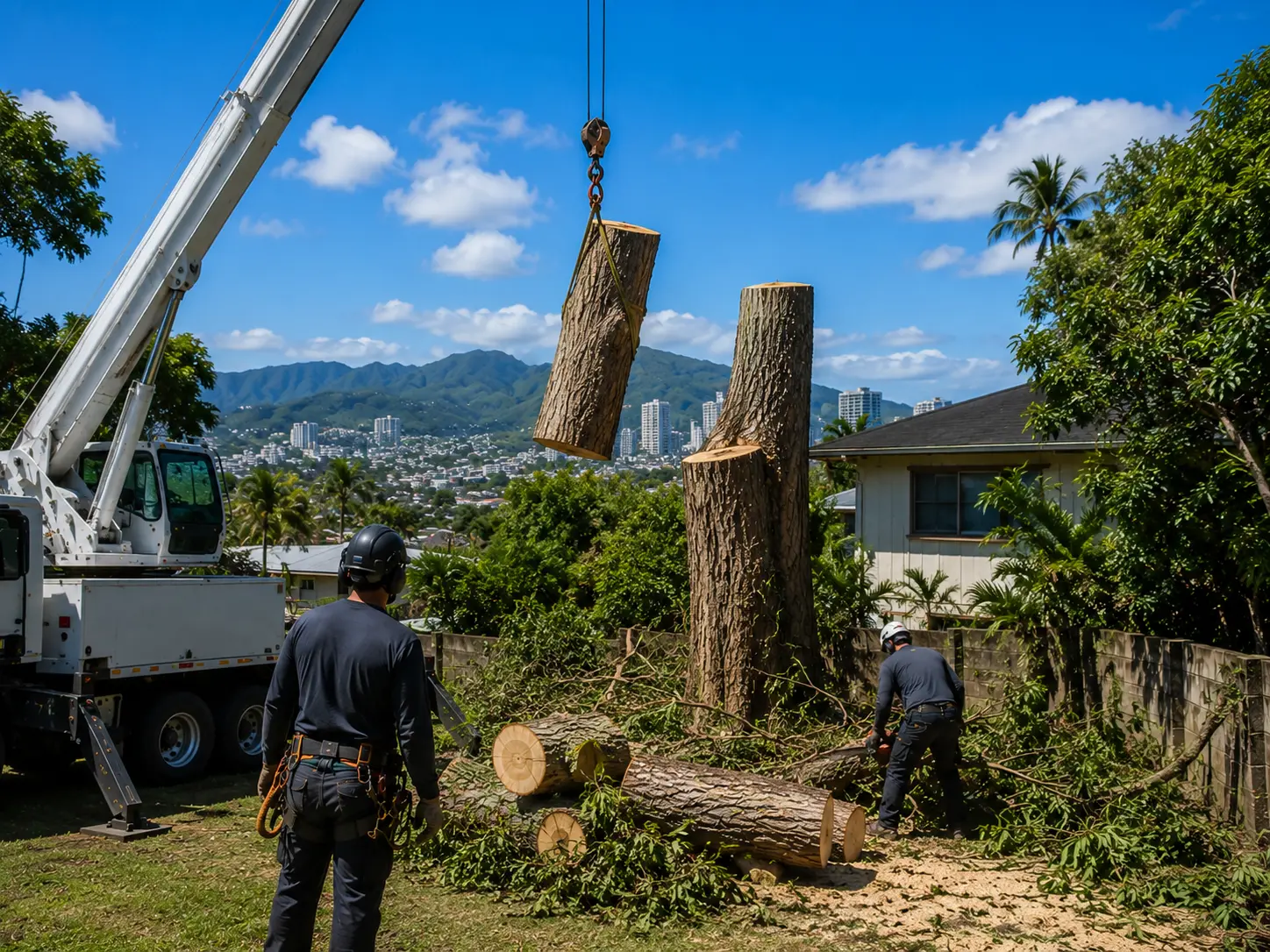
A landscape that changes from the shoreline to the ridgeline
Hawaii Kai isn't one uniform stretch of coastline. Each pocket has its own soil, wind exposure, and lot layout, and our crews plan accordingly.
Portlock
Oceanfront homes on the point take the most direct salt exposure in Hawaii Kai, and mature ironwood and coconut palms here often show stress or lean toward the leeward side after years of steady onshore wind.
Koko Head Slopes
Hillside streets climbing toward Koko Head and Koko Crater have narrow, often single-access driveways and terraced yards, where equipment placement and rigging around retaining walls take real planning.
Kalama & Hahaione Valley
These valleys funnel rainfall down toward the coast, and saturated slopes after sustained heavy rain are a leading cause of leaning and uprooted trees on the older, larger lots here.
Marina & West Marina
Canal-front lots and the boat harbor mix landscaped palms and shade trees on filled soil, where root anchoring near a seawall or dock needs a different read than a tree rooted in open ground.
Mariners Cove
Waterfront townhomes and condos along the cove combine tight, shared access with the same salt exposure as Portlock, so both wind stress and staging space factor into every visit.
Aina Haina & Niu Valley
Some of Hawaii Kai's oldest single-family lots sit here, with mature monkeypod and kiawe that have grown well beyond what these properties were originally planted for.
Common tree emergencies across Hawaii Kai
Coastal wind, hillside soil, and low-lying marina lots each fail differently, and knowing which one you're dealing with changes the response.
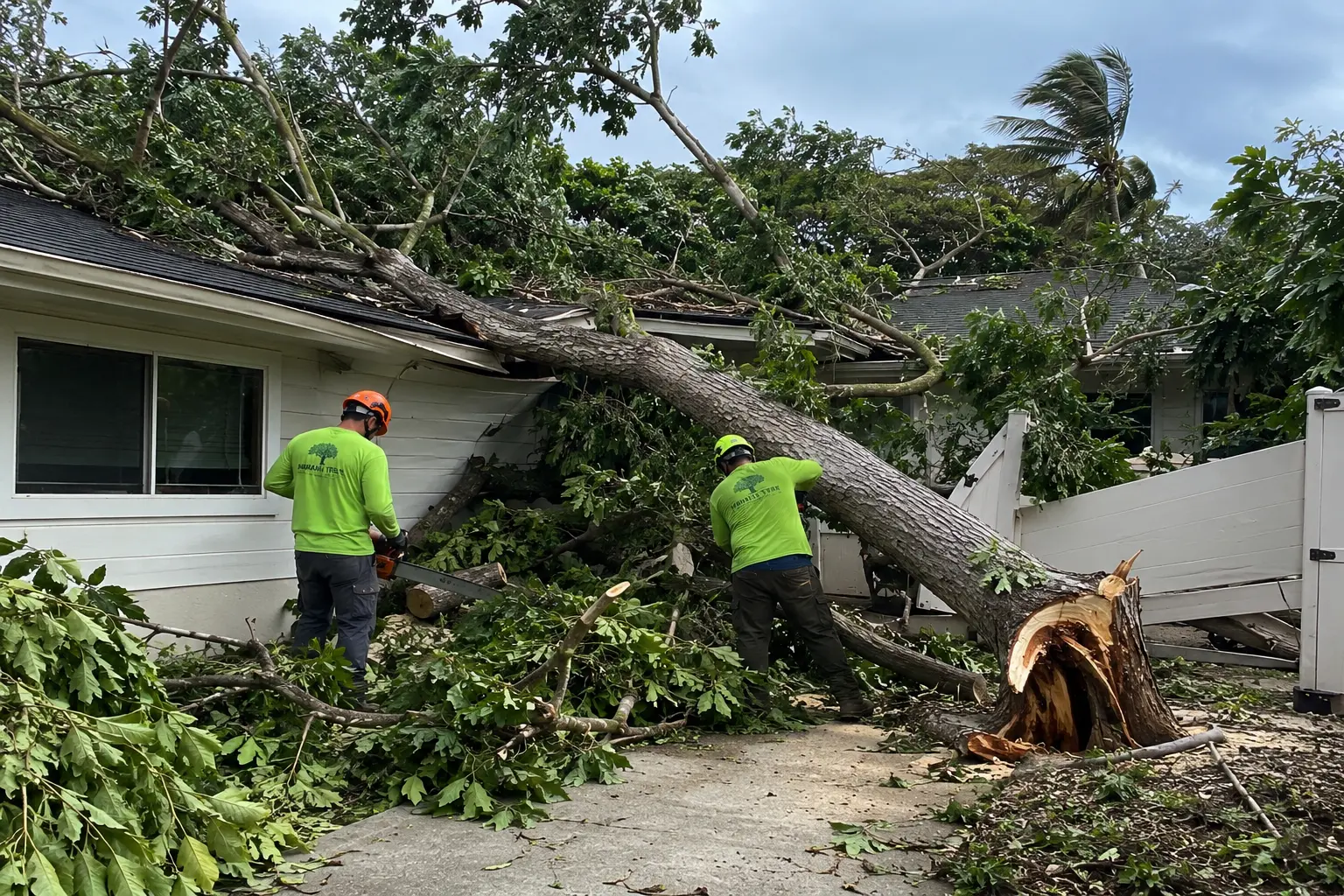
Trees Down Near the Marina
A tree that comes down on a canal-front lot can land across a dock, a seawall, or a shared access path. See Fallen Tree Removal for how we sequence that kind of job.
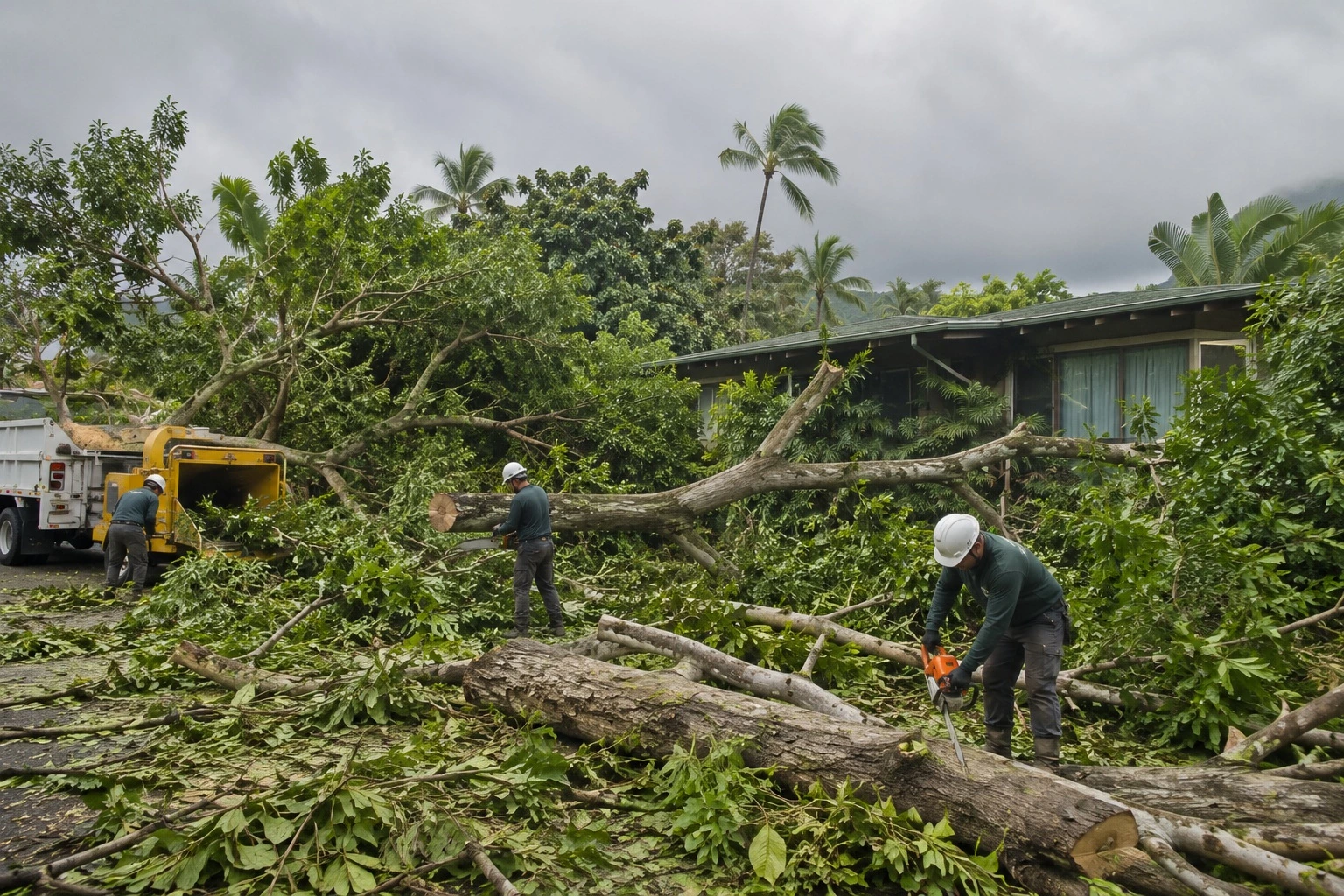
Wind-Damaged Coastal Trees
Portlock and the exposed marina shoreline take the brunt of any wind event moving through the channel, often before the rest of the island feels it.
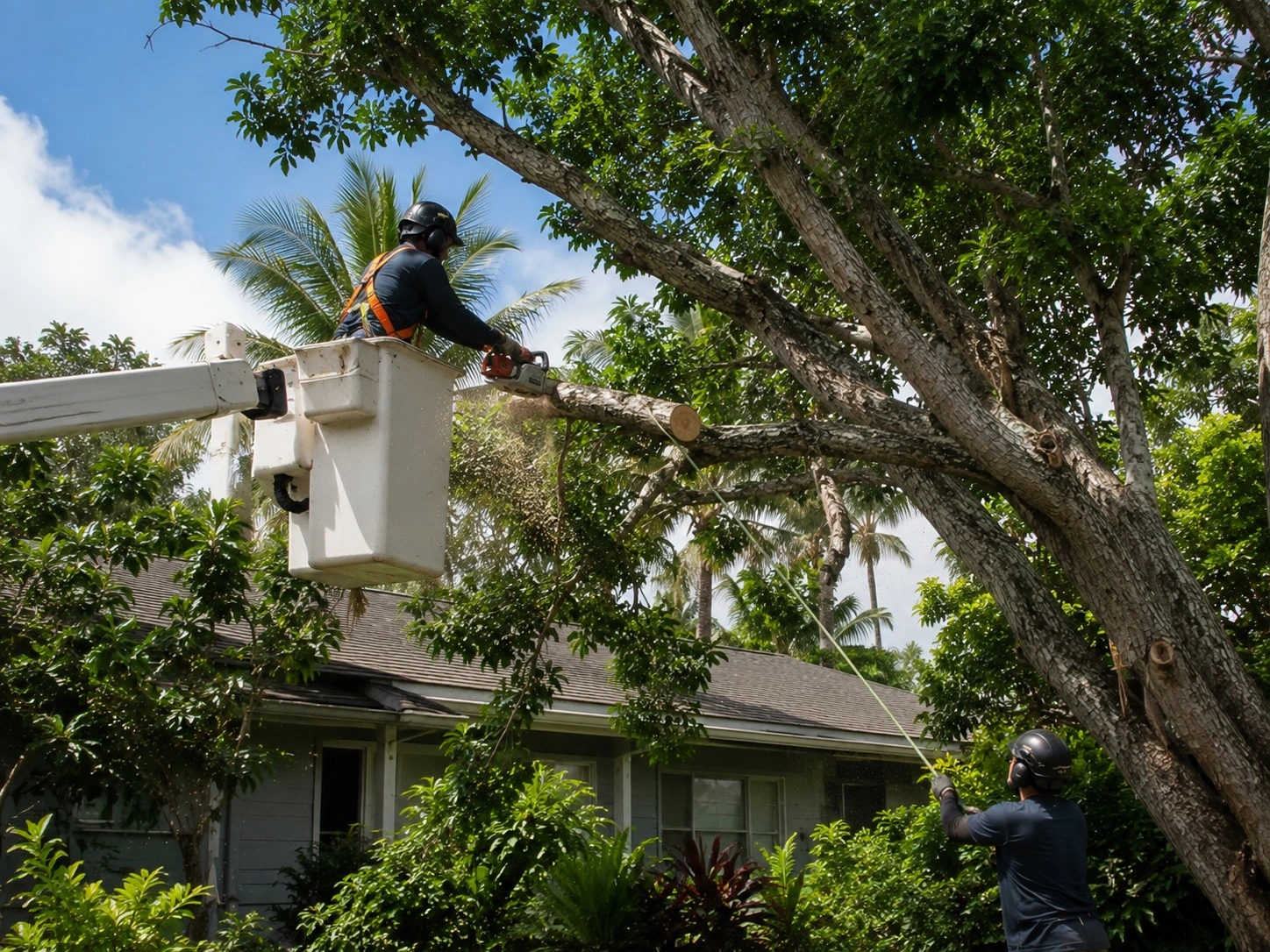
Hanging Limbs on Hillside Driveways
A broken limb caught above a single-access driveway on the Koko Head slopes can strand a household until it's cleared. See Tree Limb Removal for how these are handled.
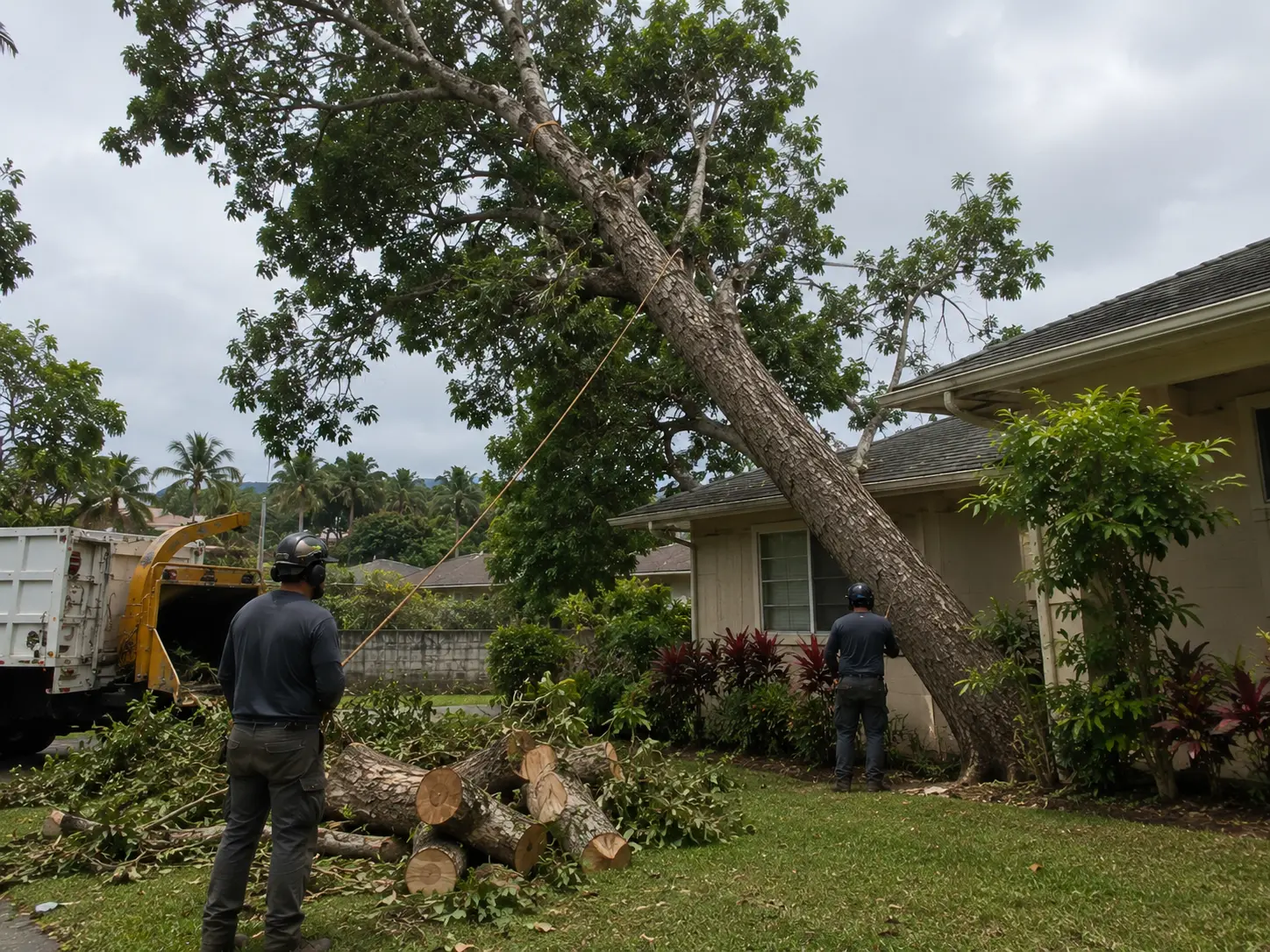
Leaning Trees After Valley Rain
Saturated slopes in Kalama and Hahaione Valley can loosen root systems after sustained rain, and a lean here carries different risk than one on a flat coastal lot. See Leaning Tree Removal.
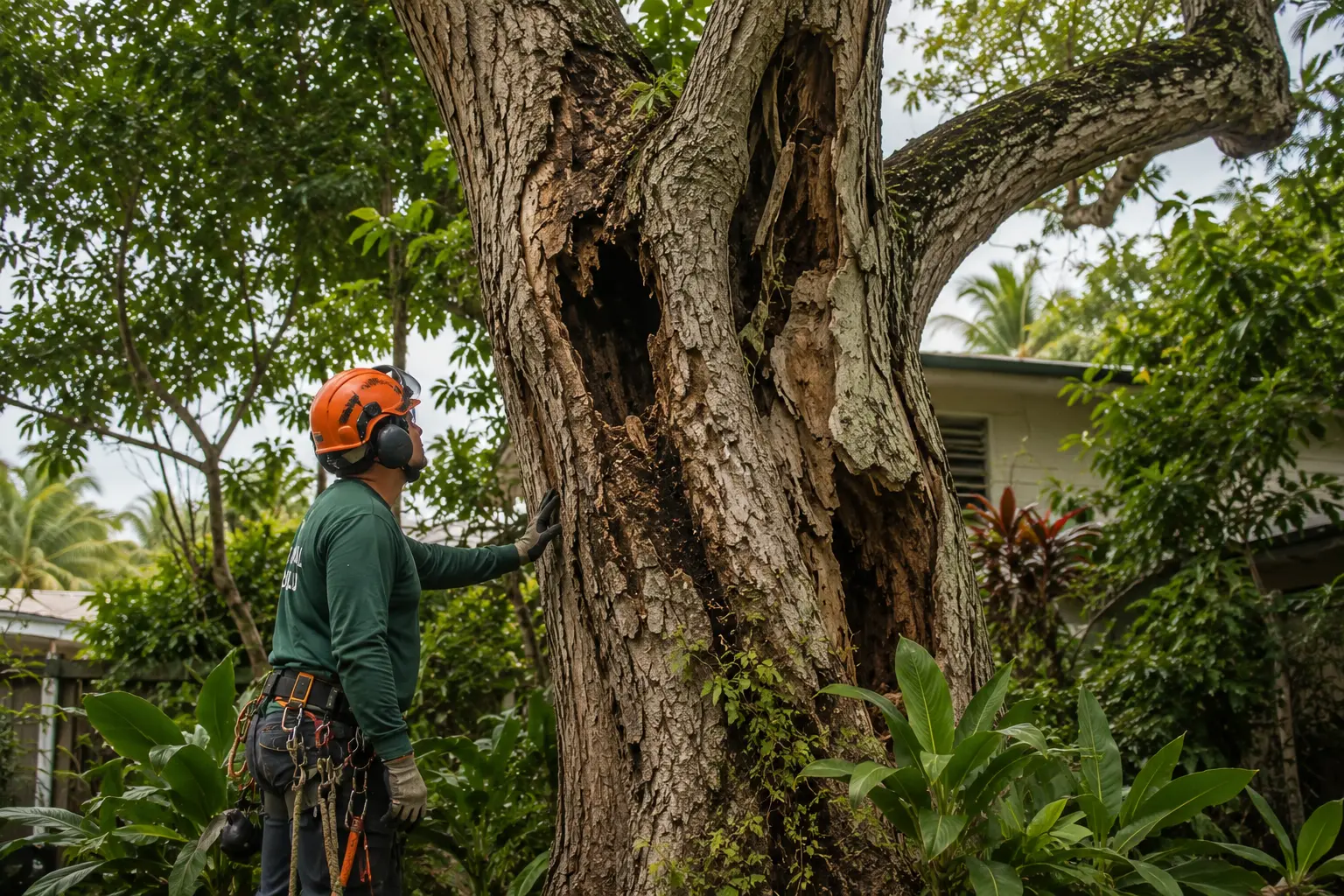
Aging Kiawe & Monkeypod
Decades-old trees on Aina Haina and Niu Valley lots sometimes show trunk decay or brittle limbs that aren't obvious from the ground. See Hazardous Tree Removal for how we assess these.
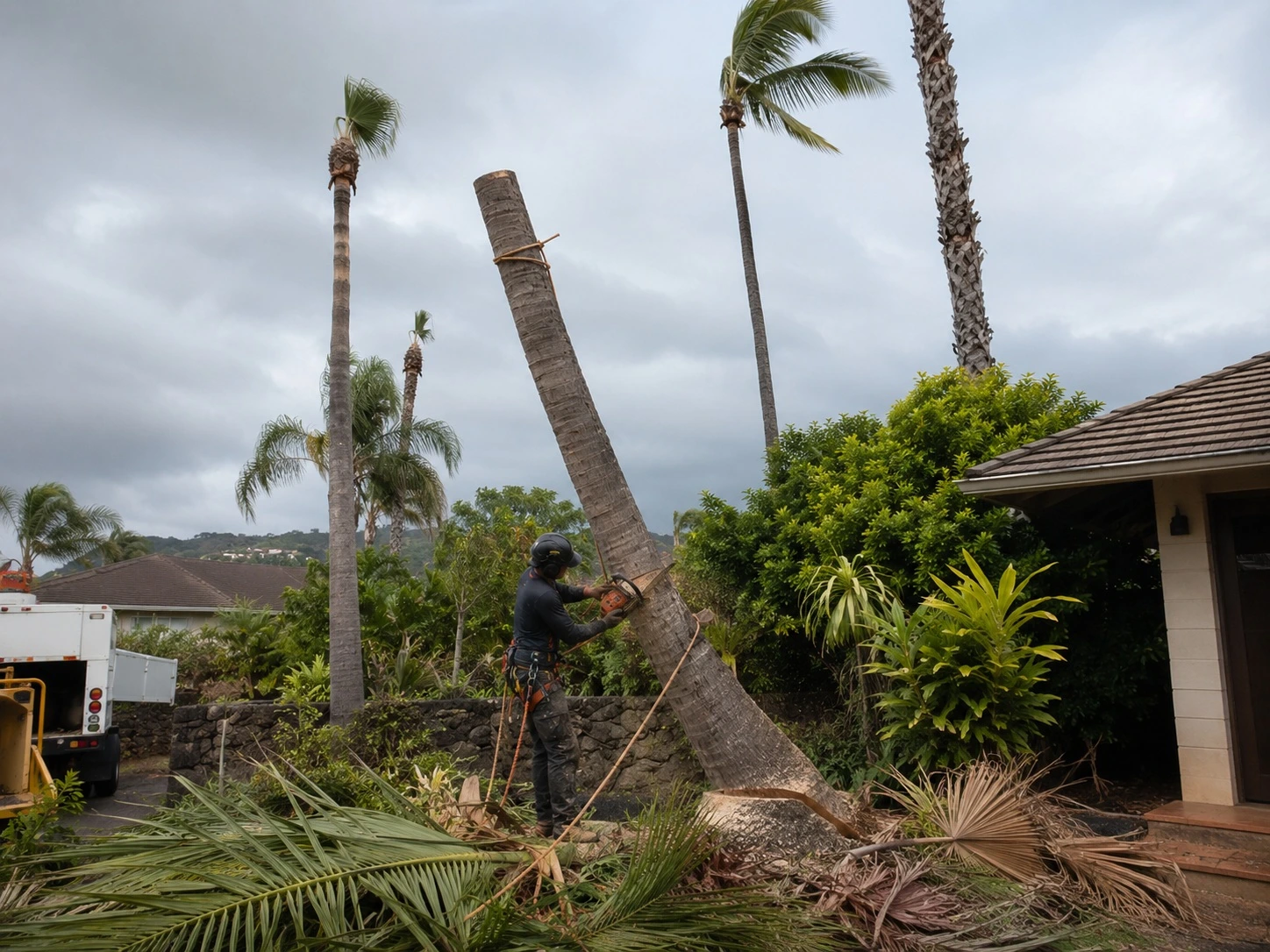
Palm & Coconut Hazards Near the Water
Coconut and fan palms along the marina and shoreline lots can drop fronds or coconuts onto docks, walkways, and parked cars below. See Palm Tree Removal for routine and emergency handling.
How wind and weather move through Hawaii Kai
Sitting at the island's southeast corner, Hawaii Kai catches wind and rain patterns that behave differently from the more sheltered parts of Honolulu.
Unblocked Channel Winds
With open ocean to the south and east, trade winds reach Portlock and the marina at close to full strength, with none of the buffering that neighborhoods further into town get from surrounding ridgelines.
Kona Storm Swells
Kona storms push wind and surf from the south, the direction least sheltered along this coastline, which is when leaning and uprooted trees near the water tend to show up most.
Valley Rainfall Buildup
Kalama and Hahaione Valley catch noticeably more rain than the drier coastal flats near Portlock, so root saturation and soil-related lean issues are more common there than on the water side of Hawaii Kai.
Salt Spray & Drought Stress
Trees closest to the water deal with salt spray and drier soil that can weaken bark and foliage years before any structural problem becomes visible from the yard.
Species we see most often across Hawaii Kai
Decades of coastal and valley planting have left Hawaii Kai with a distinct mix of species, and each comes with its own failure pattern.
Kiawe
Common along drier, sun-exposed lots near Portlock and the marina, kiawe is brittle-wooded and thorny, and its limbs are a frequent source of sudden failure along fence lines and driveways.
Monkeypod
A common legacy planting on the older lots of Aina Haina and Niu Valley, now large enough that broad canopies extend well over rooflines and driveways below.
Coconut & Ironwood
Coconut palms line much of the marina and shoreline, while ironwood's shallow, salt-tolerant roots are common along Portlock, but neither anchors well once the ground beneath them saturates.
Working around Hawaii Kai's mix of lots
Few streets in Hawaii Kai look like the ones on either side of them, and each property type changes how a job is planned.
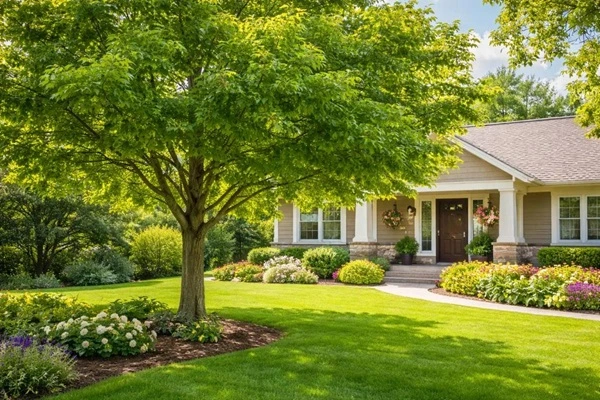
Canal-front lots, cliffside homes, and valley properties
Waterfront homes along the canals and West Marina sit on filled land with docks and seawalls to work around, while hillside properties climbing toward Koko Head and Koko Crater bring steep, terraced yards with limited staging space. Further inland, the larger, older lots of Kalama Valley, Hahaione Valley, Aina Haina, and Niu Valley often carry a single mature legacy tree that's outgrown the yard it was planted in decades ago.
Whatever the property type, the same on-site assessment applies first: confirming access, checking the ground the tree is rooted in, and building a plan around that lot's specific constraints rather than a one-size approach. For a full property removal beyond an emergency situation, see tree removal.
Our response process in Hawaii Kai
Coastline, slope, or valley, the logistics change, not the standard of care.
Call or Request
Tell us your neighborhood and what's happening, by phone or through the estimate form.
Access & Hazard Check
We factor in slope, seawalls, and single-access driveways before a crew arrives.
Written Estimate
A clear, itemized estimate based on the on-site assessment, before any work begins.
Careful Removal
Rigging planned around retaining walls, docks, and close coastal neighbors.
Cleanup
Debris cleared so driveways, docks, and shared access are usable again.
A crew that already knows Hawaii Kai's coastline and slopes
A cliffside lot below Koko Head and a canal-front yard along the marina both get the same careful assessment before a single cut is made.
Every crew member is trained, and every job is backed by full insurance coverage.
Crews who already know the salt exposure, hillside access, and marina lots common across Hawaii Kai.
A written estimate after an on-site visit, with no hidden fees added later.
The same team behind Emergency Tree Removal Honolulu covers every Hawaii Kai neighborhood.
We also serve the areas surrounding Hawaii Kai
If your property is outside Hawaii Kai, we cover the rest of Oʻahu as well. View all service areas →
Hawaii Kai questions before you call
How quickly can a crew reach a property in Hawaii Kai?
Response depends on the hazard and where in Hawaii Kai the property sits, since the marina, the valleys, and the Portlock coastline all have different access points. Active emergencies like a tree on a structure or blocking a road are prioritized ahead of routine visits. Call to describe the situation and a crew will advise on realistic timing.
Do salt air and coastal wind affect trees differently in Hawaii Kai?
Yes. Properties along Portlock and the marina are exposed to salt-laden onshore wind that stresses foliage and can accelerate decline in species not suited to it, while trees a mile inland in Kalama Valley or Hahaione Valley face heavier rainfall and different soil conditions instead.
Are hillside and cliffside lots in Hawaii Kai harder to work on?
Often, yes. Homes built into the slopes below Koko Head and Koko Crater can have steep, terraced yards with limited flat staging area, which changes how rigging and equipment access are planned compared to a flat lot closer to the marina.
What should I do about a tree leaning near the marina or a seawall?
Avoid the area beneath it and don't attempt to secure or trim it yourself, since a lean near a seawall or dock can involve unstable, saturated fill soil that behaves differently than a typical yard. Call to describe the location and a crew will assess the lean and the ground it's rooted in before recommending next steps.
Do valley properties like Kalama Valley and Hahaione Valley have different tree risks?
The valleys running up toward the Koolau ridgeline tend to catch more rainfall and runoff than the coastal flats, which can saturate root zones and contribute to lean or uprooting after sustained heavy rain, a pattern less common on drier, breezier lots closer to the water.
What trees cause the most emergency calls in Hawaii Kai?
Kiawe, monkeypod, and coconut palms are behind a large share of emergency calls here, whether from kiawe's brittle, thorny limbs failing along fence lines, mature monkeypod canopy overhanging older Aina Haina and Niu Valley homes, or palms dropping fronds and coconuts near the marina and shoreline properties.
Is emergency tree service available throughout all of Hawaii Kai?
Yes. Coverage extends across Hawaii Kai's neighborhoods, including Portlock, Koko Head, Kalama Valley, Hahaione Valley, Mariners Cove, West Marina, Aina Haina, and Niu Valley.
Do you offer free estimates for Hawaii Kai properties?
Yes. A free, no-obligation estimate can be requested through the form below or by phone, followed by an on-site assessment to confirm the scope of work.
Request a free estimate in Hawaii Kai
Tell us your neighborhood and what's happening, a fallen tree, a hanging limb, storm damage, or a hazardous palm, and a crew will follow up to confirm timing and, if needed, arrange an on-site assessment.